Fulwell Road Carpet Cleaning for Period Homes: A Practical Guide to Safer, Better Results
Period homes have a bit of character, don't they? The original floorboards, the uneven walls, the older underlay, the odd draught in the hallway - all part of the charm. But that same charm can make carpet cleaning a little more delicate than people expect. If you're looking for Fulwell Road carpet cleaning for period homes, the main goal is not just to make carpets look cleaner. It's to clean them properly without upsetting the fibres, backing, dye, or the age-worn structure underneath.
That matters whether your home has a Victorian hallway runner, a worn but beloved stair carpet, or a softer modern carpet fitted into an older property. A good clean should respect the building as much as the carpet. In this guide, we'll walk through how it works, what to watch for, the common mistakes people make, and how to get results that last. Nothing flashy. Just solid, practical advice you can actually use.
Why Fulwell Road carpet cleaning for period homes Matters
Period homes usually bring a different set of cleaning challenges than newer builds. Carpets may have been fitted over old subfloors, uneven surfaces, or layered underlay. You may also be dealing with natural fibres, older wool blends, or carpets that have already had a long life. That means a one-size-fits-all clean can be risky. Too much moisture, too much heat, or the wrong chemistry can leave carpets looking worse, not better.
There's also the practical side. In an older property, you often notice dirt building up in the areas that get the most traffic: hallways, landings, front rooms, and stair runners. Dust, soot from fireplaces in older homes, tracked-in grit, and everyday spills all sink down into the pile. Over time, the carpet starts to feel tired and flat. Sometimes it even smells a little stale on damp days. No drama - just normal life doing its thing.
What makes this topic especially important on Fulwell Road and surrounding residential streets is that period homes often mix old features with modern living. You might have a beautifully kept sash-windowed house with kids, pets, and daily foot traffic. Cleaning needs to be effective, but also careful. That balance is the whole game.
Expert summary: The best carpet cleaning for period homes is gentle, targeted, and moisture-aware. Clean the fibres thoroughly, but protect the carpet structure, the underlay, and the older flooring beneath.
If you're comparing services, it helps to look beyond a simple "deep clean" promise. Ask whether the cleaner understands fibre types, stain behaviour, drying times, and the realities of older properties. For a broader overview of service options, the main carpet cleaning service page is a sensible starting point, and for tougher marks you may also want to look at specialist stain removal.
How Fulwell Road carpet cleaning for period homes Works
At a high level, the process usually follows a few careful stages: inspection, testing, pre-treatment, cleaning, extraction or controlled moisture removal, then drying and finishing. Simple enough on paper. In real life, the important part is how each stage is adapted to the carpet and the house.
First, the carpet should be inspected for fibre type, wear patterns, loose seams, faded areas, historic stains, and signs of previous cleaning damage. In a period home, a cleaner may also look at ventilation, access, stairs, and whether the carpet is tacked, fitted, or loose-layed. That first glance says a lot. You can tell very quickly if a carpet needs a cautious approach rather than an aggressive one.
Pre-treatment is next. This is where the cleaner applies suitable solutions to loosen soil and lift specific marks. On older carpets, the solution choice matters. Wool, for example, usually benefits from more controlled pH and gentler handling. A heavy-handed cleaner can brighten the wrong part of the carpet or weaken the finish, and that's never ideal.
Then comes the main clean. Many homes benefit from hot water extraction, sometimes called steam cleaning, though that term is a bit misleading because it is usually hot water, not actual steam in the literal sense. The process uses water and cleaning solution to release dirt, followed by extraction. Done well, it can remove a lot of embedded soil. Done poorly, it can leave the carpet too wet. And in an older house, that's the bit nobody wants.
Drying is the final stage, and it's especially important in period homes. Older buildings can have cooler rooms, less airflow, or thicker walls that hold a different kind of chill. Good drying habits - airflow, careful moisture control, sensible timing - make a big difference to the final finish and the smell of the room afterwards. You want clean, fresh, and dry, not clean and a bit swampy by teatime.
Where carpets are heavily soiled, pet-affected, or carrying odours, a cleaner may recommend a more tailored service. For example, if a hallway runner has repeated pet accidents or lingering smells, pet stain and odour removal may be more appropriate than a standard clean. Likewise, if the issue is actually a rug rather than a fitted carpet, rug cleaning may be the better match.
Key Benefits and Practical Advantages
The first benefit is obvious: carpets look fresher. But for period homes, the real value runs a little deeper than that. A proper clean can revive the room without stripping away the character that makes the house special. The carpet still looks like itself, just less weary.
- Improved appearance: traffic lanes, dull patches, and grubby edges are lifted back into a more even finish.
- Better hygiene: embedded dust, pollen, crumbs, and grit are removed more effectively than vacuuming alone.
- Odour reduction: useful in older houses where stale smells can linger in fibres and underlay.
- Fibre protection: the right method can reduce unnecessary wear from abrasive dirt.
- Longer carpet life: regular deep cleaning can help delay premature replacement.
- Better feel underfoot: carpets often recover some softness once the compacted soil is gone.
There's also a surprisingly practical benefit for day-to-day living. A cleaner carpet can make the whole house feel lighter. Not in a mystical sense - just that subtle sense when you open the door and the room no longer feels a bit closed-in. Small thing, big effect.
If your home has other soft furnishings taking a beating as well, it can make sense to group services together. For instance, upholstery cleaning can help bring your chairs and sofas back into step with the freshly cleaned carpets, while curtain cleaning can reduce dust and help the whole room feel more finished.
Who This Is For and When It Makes Sense
This kind of cleaning is a strong fit for homeowners who want their period property treated with a bit more care than a standard rental flat or new-build hallway might need. If your home has original features, older carpet fitting, or fragile fibres, the cautious approach is usually the right one.
It makes particular sense if you've noticed any of the following:
- the carpet looks flattened in the same walkways every day
- there are tea spills, wine marks, muddy prints, or general dulling
- the room still smells dusty after vacuuming
- you're preparing for guests, a family event, or a tenancy handover
- you've recently redecorated and want the flooring to match
- the carpet hasn't been professionally cleaned for a while, and you can feel it underfoot
It can also be a good idea if you're trying to protect an older carpet from replacement. Let's face it, replacing carpet in a period property can be messy and expensive, especially on stairs or in awkward rooms. A well-timed clean may buy you a lot more life than you'd think.
If you manage a home office, guest room, or small business inside a period property, the same logic applies. In that case, you might also look at commercial carpet cleaning for busier spaces that need more frequent attention.
Step-by-Step Guidance
Here's a sensible way to approach carpet cleaning in a period home without making a hash of it.
- Vacuum thoroughly first. Get rid of loose dust and grit. This stops abrasive dirt from being worked deeper into the pile.
- Identify the fibre type. Wool, synthetic blends, and natural fibres can all respond differently to moisture and chemistry.
- Check for problem areas. Look at old stains, colour fade, loose edges, and wear near doors or on stairs.
- Test in a discreet spot. A small patch test helps reduce the risk of colour bleed or texture change.
- Apply pre-treatment carefully. Do not soak the carpet. The aim is to loosen dirt, not flood the room.
- Clean with the right method. Hot water extraction is common, but a delicate carpet may need a more controlled approach.
- Manage moisture and drying. Open windows where possible, use airflow, and avoid walking across the carpet too soon.
- Inspect the result once dry. Some marks can reappear slightly as the carpet dries, so a final check is sensible.
If you're doing a spot clean between professional visits, keep it mild. Blot, don't rub. Use a clean white cloth. Work from the outer edge of the stain inward. Very basic, but it saves a lot of trouble. And yes, rubbing a stain usually just makes a longer story out of it.
For people who want a gentler approach than traditional deep cleaning, steam carpet cleaning is often discussed as a shorthand for low-residue, moisture-controlled methods. Just make sure you understand what is actually being used and how much water will remain in the carpet afterwards.
Expert Tips for Better Results
A few small decisions can make a huge difference in a period home. In our experience, the difference between a merely okay result and a genuinely good one is often down to preparation and restraint.
- Don't over-wet the carpet. Older flooring and underlay can hold moisture longer than you think.
- Ask about fibre-safe products. Especially on wool or mixed fibres, gentle chemistry is usually the safer bet.
- Plan around weather. A dry, breezy day can help with drying. A damp winter afternoon, not so much.
- Focus on high-traffic zones. Hallways and stairs often need the most attention, and they show the quickest results.
- Use furniture protection pads. Freshly cleaned carpets can mark if heavy furniture goes straight back down too soon.
- Think in maintenance cycles. A light, regular clean is often better than letting the carpet get badly compacted and then trying to rescue it later.
One useful real-world observation: older homes often fool people into thinking the carpet is dirtier than it is, when actually the pile has just lost its bounce. Cleaning helps, but so does honest expectation-setting. Sometimes the carpet brightens up beautifully. Sometimes it improves a lot, but you can still see its age. That is not failure. That is reality, and there's dignity in that, oddly enough.
If you're comparing service quality, it can help to understand who is carrying out the work and how the business is organised. A little background on the team can be reassuring, so pages like about us can be useful when you want to know the people behind the service.
Common Mistakes to Avoid
Most carpet cleaning problems in period homes come from speed, not malice. People just want the room looking better by the end of the day, so they push too hard. That's where things go sideways.
- Using too much water: can prolong drying and create a musty smell in older properties.
- Choosing the wrong cleaning solution: harsh chemicals can affect colour, fibre texture, or backing.
- Scrubbing a stain aggressively: this can fuzz the pile and push the stain deeper.
- Ignoring the underlay: if moisture reaches the base layers, you may create a bigger issue than the original mark.
- Cleaning without a test patch: risky on older carpets where dye stability may be unpredictable.
- Putting furniture back too quickly: can cause transfer marks, dents, or trapped damp patches.
Another common mistake is treating every carpet the same. A hallway runner in a Georgian terrace is not the same as a newer synthetic in a back bedroom. Sounds obvious, but people forget it all the time. The carpet doesn't care about your best intentions.
It is also worth avoiding cut-price services that promise the world but skip the inspection. If a cleaner cannot explain the method, drying time, or limitations for your carpet type, that's a bit of a warning sign. In a period home, caution is part of the service, not a nice extra.
Tools, Resources and Recommendations
You do not need a van full of kit to maintain carpeted rooms in a period home, but the right tools do make maintenance easier. If you're keeping things tidy between visits, a sensible small toolkit goes a long way.
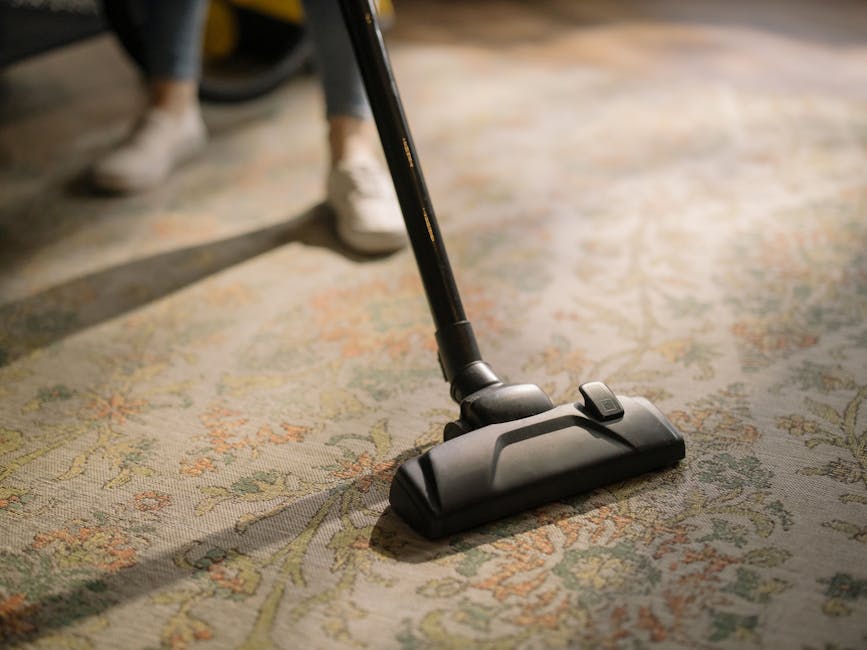
- Vacuum with adjustable height: helps protect wool and low-pile carpets while still lifting dirt effectively.
- White microfibre cloths: useful for blotting spills without dye transfer.
- Soft brush or carpet rake: can help lift pile gently after cleaning.
- Felt pads under furniture: reduce pressure marks in cleaned areas.
- Airflow tools: even a simple fan can help move moisture out of a room.
For homes that need a more complete refresh, it can be useful to think beyond the carpet itself. A staircase might have carpet, but the landing may share dust with curtains, and the sitting room may need the sofa sorted too. The broader sofa cleaning and mattress cleaning services can be relevant if you're trying to tackle allergens, odours, or general household buildup in one go.
Where sustainability matters to you - and for a lot of homeowners it does - it is worth asking how waste water is handled and whether the business works with responsible disposal practices. A company's recycling and sustainability approach can tell you a fair bit about its wider habits.
Law, Compliance, Standards, or Best Practice
For carpet cleaning in homes, the main point is usually best practice rather than heavy regulation. Still, reputable providers should work carefully around health and safety, property protection, product handling, and insurance. That's especially relevant in older homes where stairs, narrow hallways, fragile fittings, or hidden wear can increase the chance of accidents.
In practical terms, a good cleaner should be able to explain how they reduce slip risks, manage cables and equipment, and protect surfaces while they work. They should also have sensible procedures for complaints, payments, and security. That may sound administrative, but trust is built in the boring bits too.
If you want to review how a business approaches those basics, pages such as health and safety policy, insurance and safety, payment and security, and terms and conditions are useful touchpoints. They are not exciting reading, granted, but they do show whether a company takes its responsibilities seriously.
There's also a sensible privacy angle if you are making bookings, requests, or quote enquiries online. A clear privacy policy and straightforward complaints procedure are simple signs of a business that values transparency. And if you need help getting in touch, the contact us page should make that easy.
Options, Methods, or Comparison Table
Not every carpet in a period home needs the same treatment. Choosing the right method is less about chasing buzzwords and more about balancing soil level, fibre type, drying time, and risk.
| Method | Best for | Strengths | Things to watch |
|---|---|---|---|
| Hot water extraction | General deep cleaning, embedded soil, busy households | Strong cleaning power, good for traffic lanes, often the most thorough option | Must be moisture-controlled, especially in older homes |
| Low-moisture cleaning | Delicate carpets, faster turnaround, lighter soiling | Quicker drying, lower risk of over-wetting | May not lift heavy ingrained soil as aggressively |
| Spot treatment only | Small spills or isolated marks | Fast and cost-conscious | Does not refresh the whole carpet or remove general dullness |
| Specialist stain or odour treatment | Pet accidents, old spill marks, lingering smells | Targeted approach, better for problem areas | May need follow-up cleaning depending on the stain |
For many period homes, the sweet spot is a tailored version of hot water extraction rather than a brute-force clean. Not necessarily the same process every time, either. The best result is usually the one that suits the carpet in front of you, not the one that sounds most impressive on a flyer.
Case Study or Real-World Example
Imagine a mid-terrace period property with a carpeted hallway, a stair runner, and two front rooms. The hallway sees muddy shoes, the stairs get daily use, and the front room has an older wool-blend carpet that has gone dull near the bay window. The homeowner has already tried vacuuming more often, but the fibre still looks flat and a little grey at the edges.
A sensible approach would start with inspection and fibre testing. The hallway might take a stronger clean than the front room, while the stair runner needs extra care around the edges and nosing. Pre-treatment could be concentrated on traffic lanes, with lighter application near any faded patches. Drying would matter more than usual because older homes can trap moisture in cool corners. Then a final grooming pass would help lift the pile so the carpet looks even, not just wet.
The real-world result is usually not a miracle transformation. It is more grounded than that. The hallway looks brighter, the stairs feel fresher, the room smells cleaner, and the whole place settles back into itself. That kind of improvement is often enough to make a home feel cared for again.
And yes, sometimes the homeowner says, "I should have done this months ago." Happens all the time.
Practical Checklist
Use this simple checklist before booking or starting carpet cleaning in a period home.
- Confirm the fibre type where possible
- Check for loose seams, fraying, or worn patches
- Identify any stains, odours, or watermarks
- Ask what method will be used and why
- Request a test patch for older or delicate carpets
- Make a drying plan before cleaning begins
- Move breakables and light furniture out of the way
- Keep children and pets away during and after cleaning
- Use pads or protectors under heavy furniture afterwards
- Inspect the carpet again once it is fully dry
If you want a cleaner to assess the work properly, ask for pricing guidance in advance. A transparent pricing and quotes page can help you understand how the service is structured before anyone arrives at the door.
Get a free quote today and see how much you can save.
Conclusion
Fulwell Road carpet cleaning for period homes is really about care, judgement, and doing the job with a bit of respect for the property. Older homes have quirks. Carpets in those homes often do too. The best results come from understanding the material, controlling moisture, and choosing the right method for the carpet rather than forcing a generic clean onto a delicate surface.
If you take one thing from this guide, let it be this: the cleaner you choose should protect the character of the room, not just chase a brighter colour. That mindset saves time, money, and a fair bit of frustration. And in a period home, that's worth holding onto.
When the carpet is cleaned properly, the whole place tends to breathe a little easier. It's a small win, but a lovely one.
Frequently Asked Questions
Is carpet cleaning safe for period homes?
Yes, if the method is matched to the carpet and the property conditions. The main risks come from too much moisture, harsh chemicals, or poor drying, so a cautious approach is best.
What carpet cleaning method is best for older properties?
There is no single best method for every home. Hot water extraction works well for many carpets, but low-moisture or tailored stain treatment may be better for delicate fibres or awkward drying conditions.
Can wool carpets in period homes be cleaned professionally?
Absolutely, but they need the right products and controlled moisture. Wool is durable in many ways, yet it can react badly to aggressive cleaning, so fibre-specific care matters.
How often should a period home's carpets be cleaned?
It depends on foot traffic, pets, children, and room use. Hallways and stairs often need attention more regularly than spare rooms, while less-used areas may go longer between cleans.
Will carpet cleaning remove old stains completely?
Not always. Some stains set into fibres or affect dye permanently. A good cleaner can often improve them significantly, but honest expectations are important here.
How long do carpets take to dry in an older house?
Drying time varies with method, ventilation, pile type, and the building itself. Older homes can dry more slowly because they often have cooler rooms and less airflow, so planning matters.
Is steam cleaning the same as hot water extraction?
People often use the terms interchangeably, but they are not quite the same thing. In practice, many "steam" cleans are really hot water extraction systems that use heated water and powerful extraction.
What should I do before the cleaner arrives?
Vacuum the carpet if advised, move fragile items, note any stains, and make sure the cleaner can access the areas easily. A little prep makes the whole visit smoother.
Can carpet cleaning help with odours in period homes?
Yes, especially if the smell is trapped in the pile or caused by spills, pets, or general buildup. If odours are persistent, specialist treatment may be needed alongside the main clean.
How do I know if my carpet needs deep cleaning or just spot treatment?
If the whole carpet looks dull, feels flat, or smells stale, a full clean is usually better. If there is one isolated spill and the rest of the carpet is in decent shape, a spot treatment may be enough.
Should I clean stairs and hallways separately from the rest of the house?
Often, yes. Hallways and stairs usually get the heaviest wear, so they may need more focused treatment than quieter rooms. That said, it can be more efficient to book them together.
What if my period home has mixed flooring and old underlay?
That's exactly why inspection is important. Mixed flooring and ageing underlay can change how moisture behaves, so the cleaner should adapt the method rather than rushing in with a standard routine.