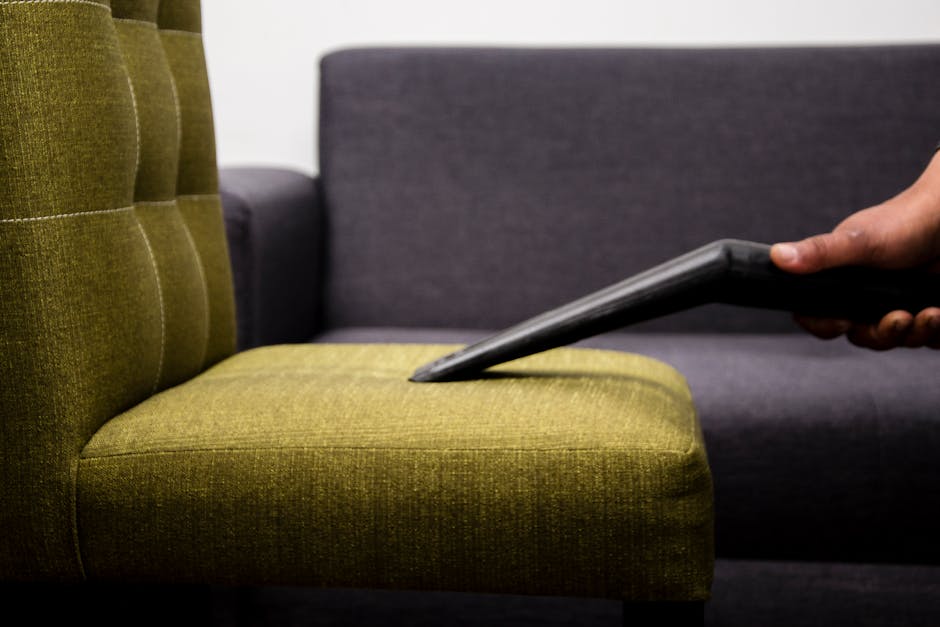
Fulwell station upholstery cleaning service guide
If your sofa looks a little tired, your dining chairs have picked up everyday grime, or a favourite armchair has developed that dull, lived-in look, you are not alone. This Fulwell station upholstery cleaning service guide is here to help you understand what professional upholstery cleaning involves, why it matters, and how to choose the right approach without overthinking it. Truth be told, upholstery is one of those household jobs people put off until the marks become impossible to ignore.
But clean upholstery is not just about appearances. It can affect comfort, odour control, fabric life, and even the general feel of a room. In a busy home or workplace, that matters. This guide breaks the topic down into plain English, with practical steps, common mistakes to avoid, and a sensible view of what to expect from a well-run service.
For broader fabric care around the home, you may also find the page on professional upholstery cleaning useful, especially if you want to compare what can be cleaned safely on different materials.
Table of Contents
- Why this guide matters
- How upholstery cleaning works
- Key benefits and practical advantages
- Who this is for and when it makes sense
- Step-by-step guidance
- Expert tips for better results
- Common mistakes to avoid
- Tools, resources and recommendations
- Law, compliance, standards and best practice
- Options, methods and comparison
- Case study or real-world example
- Practical checklist
- Conclusion
- Frequently asked questions
Why Fulwell station upholstery cleaning service guide Matters
Upholstery gets used hard, often without much notice. People sit, spill, snack, pet, nap, and shuffle across cushions every single day. Over time, that adds up. Dust, body oils, crumbs, drink marks, pet hair, and everyday airborne dirt settle into fibres and seams. You may not see it from across the room, but it is there.
That is why a proper cleaning guide matters. It helps you understand the difference between a quick surface refresh and a deeper, fabric-safe clean. It also helps prevent the classic mistake of reaching for a random spray bottle and hoping for the best. Let's face it, that approach often turns a small mark into a bigger, flatter, more stubborn one.
For local customers comparing services, it is useful to understand how upholstery care sits alongside other fabric cleaning needs such as sofa cleaning, curtain cleaning, and even mattress cleaning. The same basic idea applies: know the material, match the method, and avoid guessing.
Expert summary: The best upholstery cleaning results come from careful inspection, correct stain treatment, the right moisture level, and proper drying. Quick fixes can help in the moment, but they rarely beat a method matched to the fabric.
How Fulwell station upholstery cleaning service guide Works
A good upholstery cleaning service usually begins with identification. What is the fabric? Is it natural fibre, synthetic, blended, velvet, or something delicate? Has the manufacturer provided a cleaning code? If so, that code shapes the method far more than the colour or age of the item.
From there, a cleaner will normally inspect for stains, wear, seam weakness, fading risk, and areas that hold more soil, such as armrests and headrests. Those are the spots that always seem to tell the story first. The cleaning process itself then depends on the material and condition.
Typical service flow
- Inspection: The cleaner checks fibre type, construction, staining, and any fragile areas.
- Testing: A small hidden patch may be tested first to check colour stability.
- Pre-treatment: Spots and traffic areas are treated with a suitable solution.
- Main clean: The chosen method is applied, often with controlled moisture and extraction.
- Detail work: Seams, piping, buttons, and edges are cleaned more carefully.
- Drying support: Airflow is improved so the item dries as evenly as possible.
Not every item suits the same process. Some fabrics respond well to low-moisture cleaning. Others need a more careful hand-cleaning approach. A professional service should be able to explain why a method is being used, not just say, "it will be fine." That answer is rarely reassuring.
What the cleaning method changes
The method affects drying time, stain removal, risk of shrinkage, and the final finish of the fabric. If a lounge chair is heavily soiled but delicate, the cleaner may choose a gentler route rather than forcing a deep wet clean. That kind of judgement is usually what separates decent work from disappointing work.
Key Benefits and Practical Advantages
There are obvious benefits to cleaner upholstery, but the practical advantages go a bit deeper than most people expect. Clean fabric tends to smell fresher, feel better, and look brighter, but the bigger win is preservation. When dust and dirt sit in the fibres for months, they act a bit like fine sandpaper every time someone leans back or shifts position.
- Better appearance: Colours often look less muted once embedded dirt is removed.
- Improved comfort: Clean fabric simply feels nicer to use.
- Odour control: Everyday smells from pets, cooking, and general use become less noticeable.
- Longer fabric life: Regular maintenance can slow visible wear.
- More hygienic living space: Helpful where children, visitors, or pets are part of daily life.
- Better first impression: Particularly useful in reception areas, rentals, or guest rooms.
There is also a practical side for landlords, offices, and hospitality settings. Upholstery often takes the brunt of everyday use, and it ages faster than walls or floors because it is touched constantly. If a room looks "fine" but somehow still feels shabby, the upholstery is often the reason.
For homeowners who like to keep the whole room feeling balanced, combining it with carpet cleaning or rug cleaning can make a surprisingly big difference. One clean item in a dusty room can feel unfinished, a bit like polishing only one shoe.
Who This Is For and When It Makes Sense
This guide is useful for a wide range of people. You might be a homeowner with a family sofa that has seen better days, a tenant trying to leave a property in tidy condition, a landlord preparing for new occupants, or a business owner wanting a reception area that does not look forgotten.
It also makes sense if you have specific concerns such as:
- food or drink spills on soft furniture
- pet hair, paw marks, or odour build-up
- light-coloured upholstery that shows every mark
- allergy-sensitive household members
- furniture that is valuable, antique, or difficult to replace
- chairs and sofas in heavy-use spaces such as lounges or meeting rooms
Sometimes people wait until there is a visible stain. Fair enough. Life happens. But upholstery cleaning is often more effective when carried out before the fabric reaches that tired, blotchy stage. A quick refresh can be easier, safer, and less disruptive than a rescue job later on.
If your concern is a specific spill, the page on stain removal is a sensible companion read, especially when you want to understand how stain type changes treatment.
Step-by-Step Guidance
If you are arranging an upholstery clean, or simply trying to prepare well, these steps will help. They are simple, but that is the point. Good results usually come from avoiding drama and following the right sequence.
1. Identify the fabric first
Look for manufacturer care tags or notes on the furniture. If the cleaning code is available, that is gold dust. It helps determine whether water-based cleaning, solvent-based cleaning, or a low-moisture approach is appropriate.
2. Clear the area around the item
Move small tables, lamps, cushions, throws, and fragile items out of the way. This saves time and reduces the chance of accidental damage. A little prep makes the appointment smoother, which is always appreciated.
3. Vacuum thoroughly
Dry soil should be removed before any damp cleaning begins. Otherwise, you can end up turning loose dust into muddy residue. Pay attention to seams, piping, and under cushions. That is where crumbs like to hide, for reasons only crumbs understand.
4. Test hidden areas if needed
Any responsible cleaner should check a discreet spot first, especially on sensitive fabrics or unknown materials. This is a basic but important safeguard against colour loss or fabric distortion.
5. Treat marks selectively
Different stains need different handling. Grease, tannin stains from tea or coffee, and pet-related marks rarely respond in the same way. Spot treatment should be tailored rather than sprayed indiscriminately over the whole item.
6. Clean with the correct method
Depending on the furniture, this may involve hot water extraction, low-moisture cleaning, controlled hand-cleaning, or a hybrid approach. The right method should clean effectively without over-wetting the fabric or leaving residue behind.
7. Allow proper drying
Drying matters almost as much as cleaning. Furniture that dries too slowly can develop odour, damp patches, or a slightly stiff finish. Good airflow helps, and so does patience. Do not rush to sit on it too soon if you can help it.
8. Finish with protective habits
Once dry, think about routine care: regular vacuuming, prompt spill response, and rotating cushions where possible. Small habits make a real difference over time.
Expert Tips for Better Results
Here is the part that tends to save people money and stress. A few good habits can stop a lot of avoidable damage. Nothing fancy. Just decent practice.
- Blot, don't rub: Rubbing pushes liquid deeper into the fibres and can distort the pile.
- Act quickly on spills: The first few minutes matter more than most people think.
- Keep notes on problem fabrics: If one chair is delicate, remember it for next time.
- Ask about drying expectations: Different methods dry at different speeds, and you should know roughly what to expect.
- Be cautious with DIY sprays: A product that works on one sofa can damage another. Annoying, but true.
- Schedule cleaning before heavy seasonal use: Many households notice more grime after winter and more outdoor dirt during wetter months.
In our experience, the best customers are not necessarily the most hands-on. They are the ones who prepare the room, tell you about problem spots honestly, and ask sensible questions. That kind of clarity helps everyone.
If a pet has been part of the problem, it can help to read about pet stain and odour removal, because pet accidents need more than a surface clean if you want the smell to stay away.
Common Mistakes to Avoid
Upholstery cleaning goes wrong most often through overconfidence. People assume all fabric can be treated in the same way. Unfortunately, that is not how it works.
- Using too much water: This can lead to slow drying, rings, or shrinkage.
- Skipping the fabric test: A tiny patch test can prevent a big problem.
- Overusing harsh chemicals: Stronger is not always better.
- Ignoring the care label: It exists for a reason, even if it looks boring.
- Cleaning only the stain: This can leave a visible patch or halo around the treated area.
- Sitting on the item too soon: Damp cushions get misshapen faster than people expect.
There is also the classic "I'll just do a quick go with the kitchen sponge" mistake. We have all seen it. It usually starts with optimism and ends with a larger, blobbier mark. Not ideal.
Tools, Resources and Recommendations
You do not need a cabinet full of specialist products to care for upholstery well. In fact, fewer products is often better. Start with the basics and use them properly.
Useful tools for routine care
- a vacuum with an upholstery attachment
- a soft brush for loose debris
- clean white cloths for blotting
- mild, fabric-appropriate spot treatment where suitable
- fans or good natural airflow for drying support
What to look for in a cleaning service
- clear explanation of the fabric-safe method they intend to use
- willingness to inspect and test first
- realistic advice about stain removal, not miracles
- respect for drying times and aftercare
- transparent pricing and clear expectations
It is also sensible to check practical policies when choosing a provider. Pages such as pricing and quotes, insurance and safety, and health and safety policy can help you understand how a business works before you book. That little bit of reading can save hassle later.
Law, Compliance, Standards and Best Practice
For domestic upholstery cleaning, the main concern is usually not law in the narrow sense but safe, sensible practice. If a service is operating professionally, you would normally expect them to work carefully with chemicals, manage waste responsibly, and avoid unnecessary risk to people or property.
In the UK, good practice generally includes:
- using cleaning products in line with manufacturer guidance
- keeping the work area safe and tidy
- being honest about fabric limitations and damage risks
- following standard handling procedures for equipment and detergents
- respecting customer property and privacy
For customers, the best safeguard is simple: ask questions. What method will be used? How long should drying take? Is there any risk with the fabric type? A careful cleaner should be able to answer without sounding defensive. If they cannot explain the process plainly, that is usually a yellow flag.
Where business practices matter too, useful supporting pages include terms and conditions, payment and security, and recycling and sustainability. They help set expectations around customer service, secure payments, and responsible working methods.
Options, Methods and Comparison Table
Different upholstery jobs call for different methods. Below is a simple comparison to help you understand the broad choices.
| Method | Best for | Pros | Watch outs |
|---|---|---|---|
| Hot water extraction | Many synthetic or durable fabrics | Deep cleaning, good soil removal | Can over-wet delicate materials if misused |
| Low-moisture cleaning | Routine maintenance and faster drying needs | Shorter drying times, less risk of saturation | May be less aggressive on embedded soil |
| Hand cleaning | Delicate or antique pieces | More control on sensitive fabrics | Slower, labour-intensive, not for every stain |
| Targeted stain treatment | Specific spots and localised marks | Efficient for isolated issues | Can leave patchiness if not blended well |
The right choice depends on the item, not just the stain. A brand-new synthetic chair and a faded vintage armchair should not be treated the same way. That seems obvious, but in real life it gets ignored all the time.
For customers weighing up a broader refresh, services like steam carpet cleaning can complement upholstery cleaning nicely when the room needs a more complete reset.
Case Study or Real-World Example
Picture a typical living room after a long winter. One two-seater sofa sits near the radiator, and the armrests have picked up body oils and a faint grey cast. There is a coffee ring on one cushion, a little pet hair in the seams, and the fabric smells just slightly stale when the windows have been shut all week.
A sensible cleaning plan would not start with soaking the whole sofa. It would begin with inspection and vacuuming, then focused pre-treatment on the armrests and the coffee mark. After that, a carefully controlled clean would be used so the fabric is refreshed without leaving it damp for hours. If the sofa is synthetic, the process may be fairly straightforward. If it is velvet or a more delicate weave, the cleaner would need to be much more cautious.
The practical result? The room usually feels lighter, the sofa looks less flat, and the smell that has been quietly bothering everyone disappears. Not magically, not like a film makeover, just better. More usable. More pleasant to sit in on a wet evening with a cup of tea.
That kind of outcome is why many people seek out upholstery cleaning before visitors arrive, before a tenancy changeover, or simply when the furniture has started to make the room feel a bit worn out.
Practical Checklist
Use this quick checklist before arranging a clean or trying any spot treatment at home.
- Check the fabric care label or any manufacturer notes.
- Identify the main issues: dirt, stains, odour, pet hair, or general dullness.
- Vacuum all surfaces, including seams and cushion edges.
- Test any product on an inconspicuous patch first.
- Keep towels or clean cloths ready for blotting spills.
- Clear the area around the furniture so access is easy.
- Ask about drying time and aftercare before the job starts.
- Make sure children and pets stay away while the item dries.
- Consider pairing the clean with other fabric care if the room needs it.
Quick takeaway: if you remember only one thing, let it be this: match the cleaning method to the fabric, not the other way round.
Conclusion
A well-chosen upholstery cleaning service can do more than make furniture look tidy. It can restore comfort, reduce everyday grime, control odours, and help your furniture last longer. The trick is not to chase the strongest product or the fastest promise. It is to use the right method, with the right care, for the right fabric.
If you are comparing options, take a moment to review the service information, ask practical questions, and look for clear, honest guidance. That alone will put you ahead of most rushed decisions. And if your home or workspace has a few other tired soft furnishings, tackling them together often creates a noticeably fresher result. Simple, but effective.
Get a free quote today and see how much you can save.
When furniture is looked after properly, a room just feels calmer. A little fresher. A little more like home.
Frequently Asked Questions
How often should upholstery be professionally cleaned?
It depends on use. A family sofa in daily use will usually need attention more often than a spare chair in a quiet room. Homes with pets, children, or allergy concerns often benefit from more regular cleaning, while lower-use furniture can be cleaned less frequently.
Can all upholstery fabrics be steam cleaned?
No. Some fabrics can tolerate moisture well, while others are too delicate or structured for steam-based methods. Always check the fabric type and care label first. A professional should be able to explain whether a wet, low-moisture, or hand-cleaning method is safer.
Will upholstery cleaning remove every stain?
Not always. Fresh spills are usually easier to treat than old, set-in marks, and some stains can permanently alter fibres or dye. The best approach is careful treatment, realistic expectations, and a method that avoids making the mark worse.
How long does upholstery take to dry?
Drying time varies by fabric, cleaning method, room temperature, and airflow. Light cleaning may dry relatively quickly, while deeper wet cleaning can take longer. Good ventilation helps, and it is wise not to use the furniture heavily until it is fully dry.
Is upholstery cleaning safe for pets and children?
It can be, provided suitable products and methods are used and the furniture is allowed to dry properly. If anyone in the home is sensitive to cleaning products, let the cleaner know in advance so they can choose the most appropriate approach.
What is the difference between sofa cleaning and upholstery cleaning?
Sofa cleaning is a specific type of upholstery cleaning. Upholstery cleaning covers chairs, sofas, ottomans, stools, headboards, and similar soft furnishings. In other words, sofa cleaning is part of the wider category.
Do I need to vacuum before the cleaner arrives?
It helps, yes. Removing loose dust and debris first makes the clean more effective and stops dry soil from turning into residue during damp cleaning. If you cannot manage it, many services will still do the preparation themselves.
What should I do if a spill happens right before a booking?
Blot the spill gently with a clean white cloth and avoid rubbing it in. Do not apply random household products unless you are sure they suit the fabric. If you can, mention the spill to the cleaner so they can treat it properly on arrival.
How can I tell if a cleaner is using the right method?
They should inspect the fabric, check for care labels, ask about problem areas, and explain the method in plain language. If someone jumps straight to cleaning without any inspection, that is not a great sign.
Is upholstery cleaning worth it for older furniture?
Often, yes. Older furniture can benefit greatly from careful cleaning, especially if the frame is sound and the fabric is still in good condition. The key is to judge whether the item is suitable for cleaning rather than assuming it is beyond help.
What should I ask before booking a service?
Ask what cleaning method they recommend, whether they test the fabric first, how long drying is likely to take, and whether they can advise on stains, pet odours, or delicate materials. Clear answers are usually a good sign that the service is well organised.
Can upholstery cleaning help with smells as well as marks?
Yes, it often can. Odours from daily use, pets, food, and general build-up can sit in the fibres. A proper clean, plus good drying and ventilation, usually improves the smell as well as the appearance.
If you want to explore related services after reading this guide, it can also help to look at commercial carpet cleaning for offices and shared spaces, or about the company to understand the team behind the service. The right care really does make a room feel looked after.